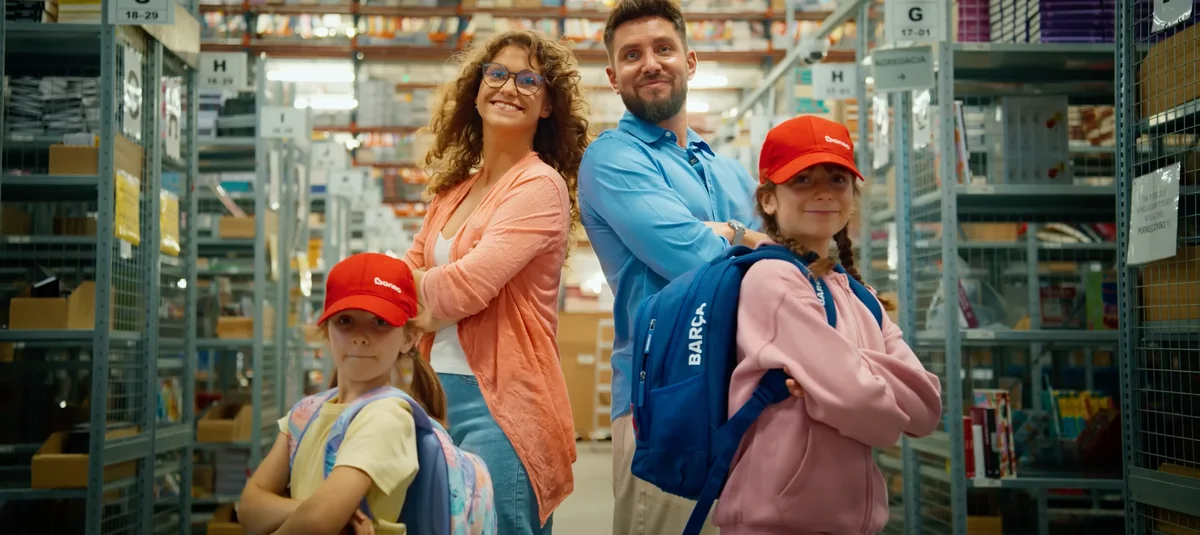
Bonito wanted a fast paced ad for their back to school range. The core idea was a game format: two teams of parents and children race each other through the warehouse, collecting everything a kid needs for the first day of term.
The brief listed far more shots, products, lines of dialogue and repeated messages than could sensibly fit into a single film.
My job was to pull the essential message out of it and turn it into one coherent story that could actually be shot.
Rather than trying to shoot every item on the list, I went through all of it and kept only what actually moved the story forward.
I cut the repeated scenes and messages, reduced the number of products and simplified the dialogue. Then I rebuilt the whole thing as a new script and storyboard, clearer for the viewer and realistic to shoot in one production.
I walked the client through every one of those calls, showing why a simpler concept would make a stronger film.
The full document I took to set. It is the reason six hours were enough, because nobody had to work out what the next shot was.
Drag the slider to compare the board with the finished frame.
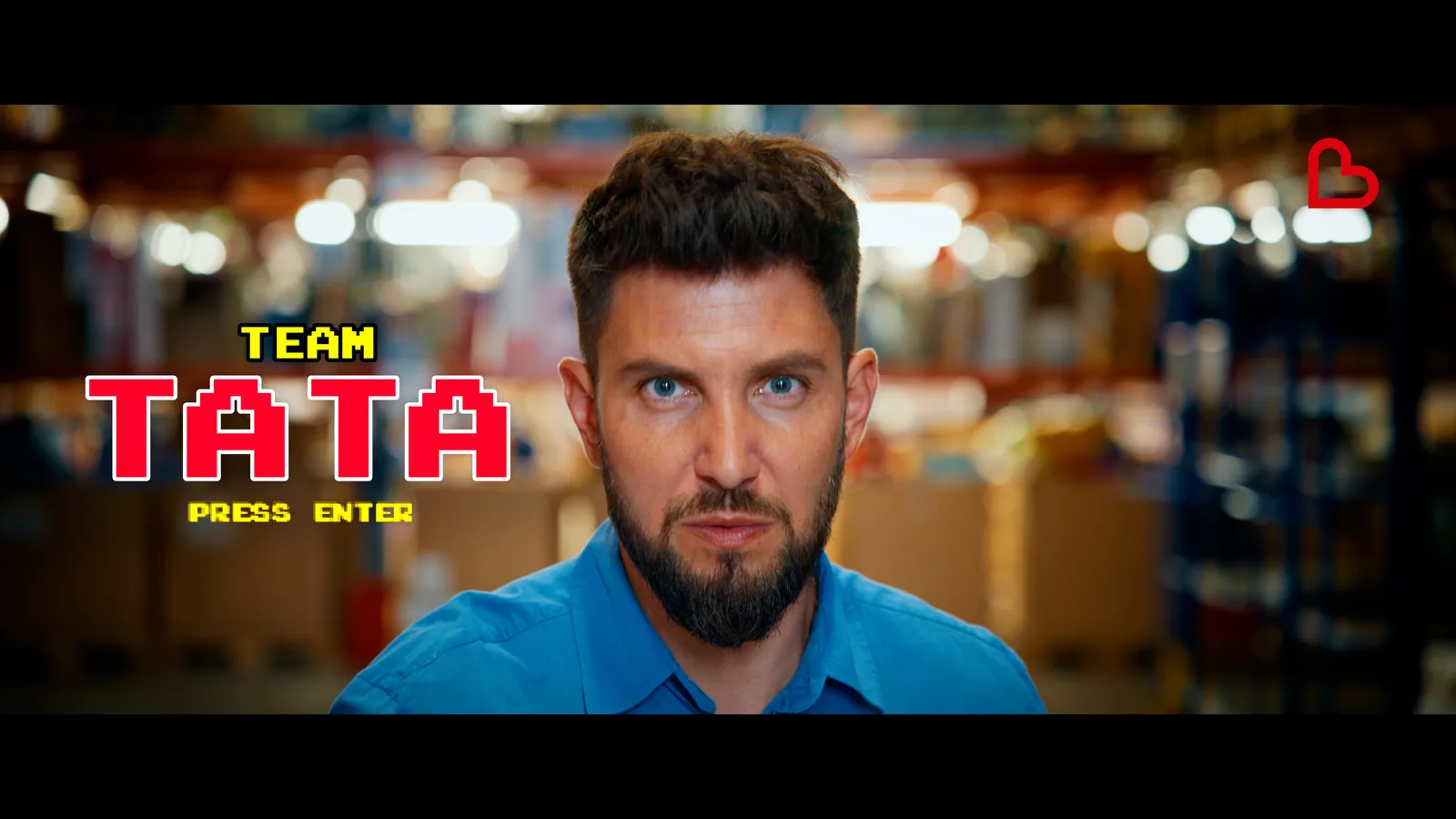
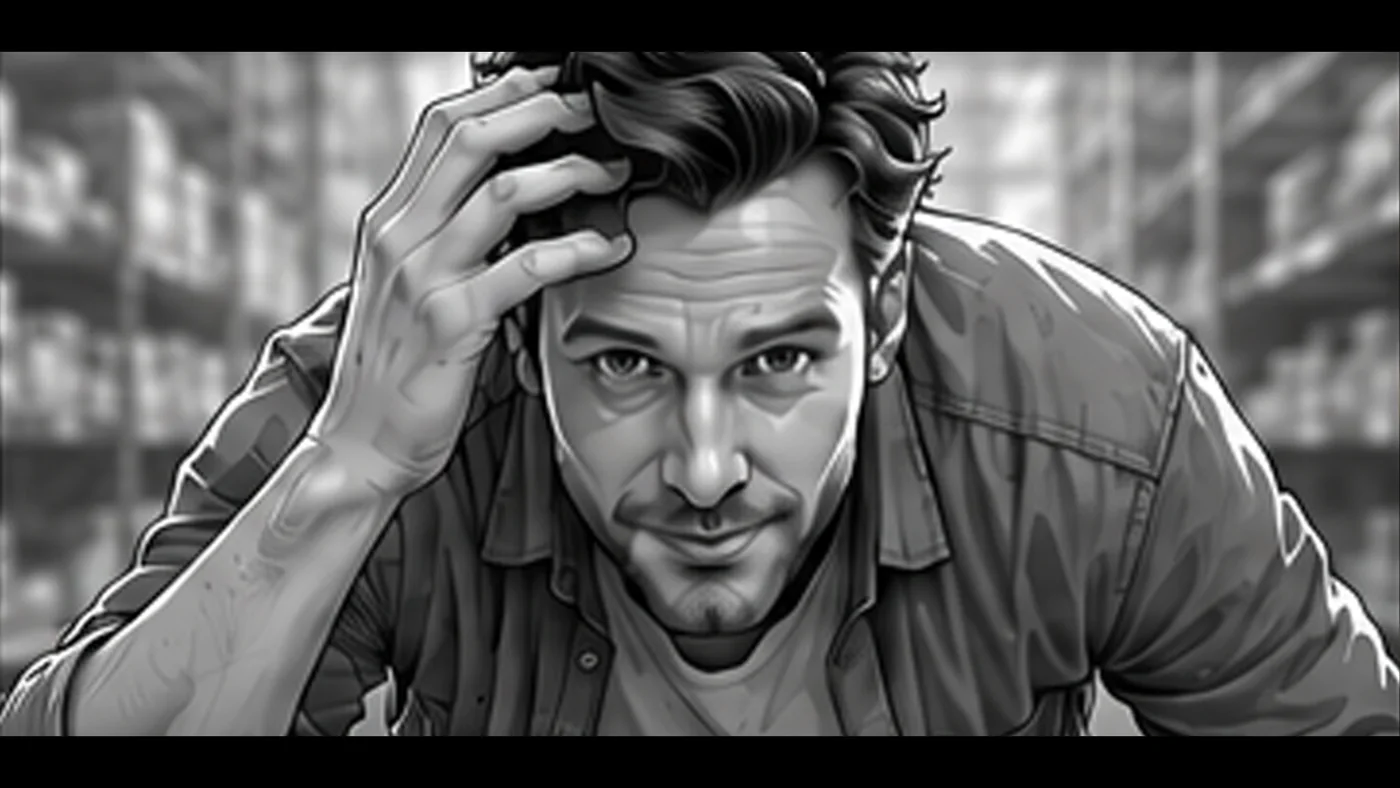
A close up, the camera drops down with the actor, the line delivered straight to the viewer. The opening shot sets the tone for the whole ad, so it was the most carefully drawn. In the finished film it differs from the board mainly in lighting.
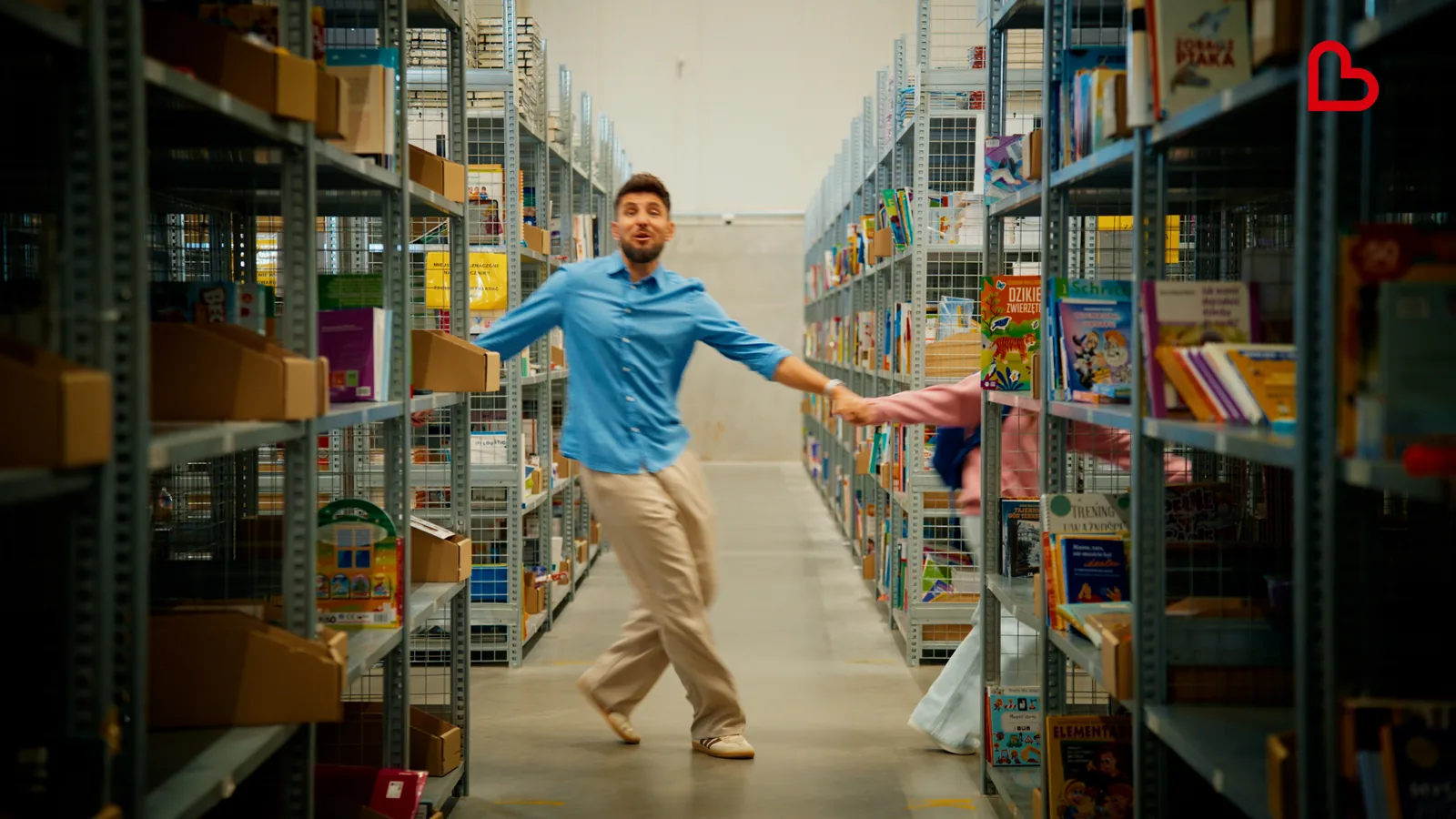
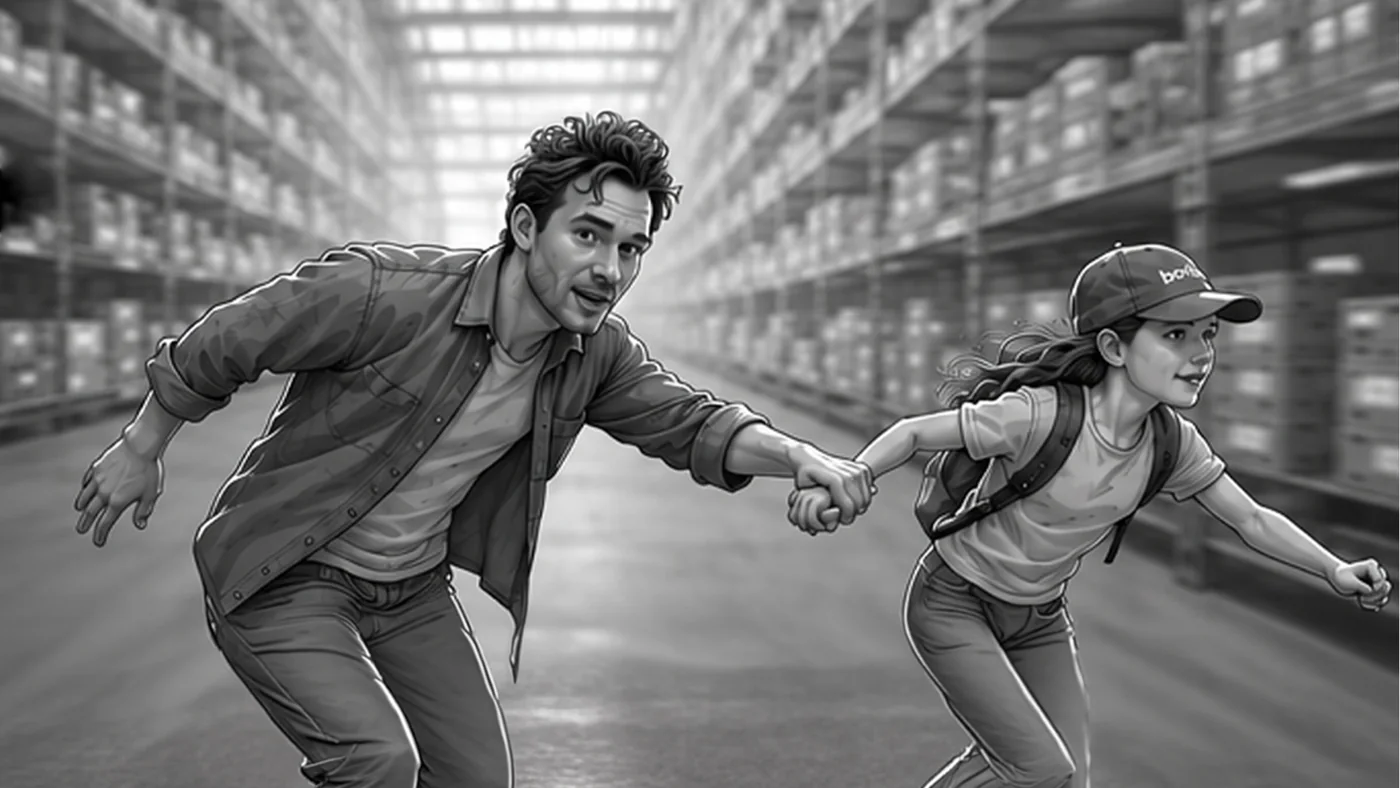
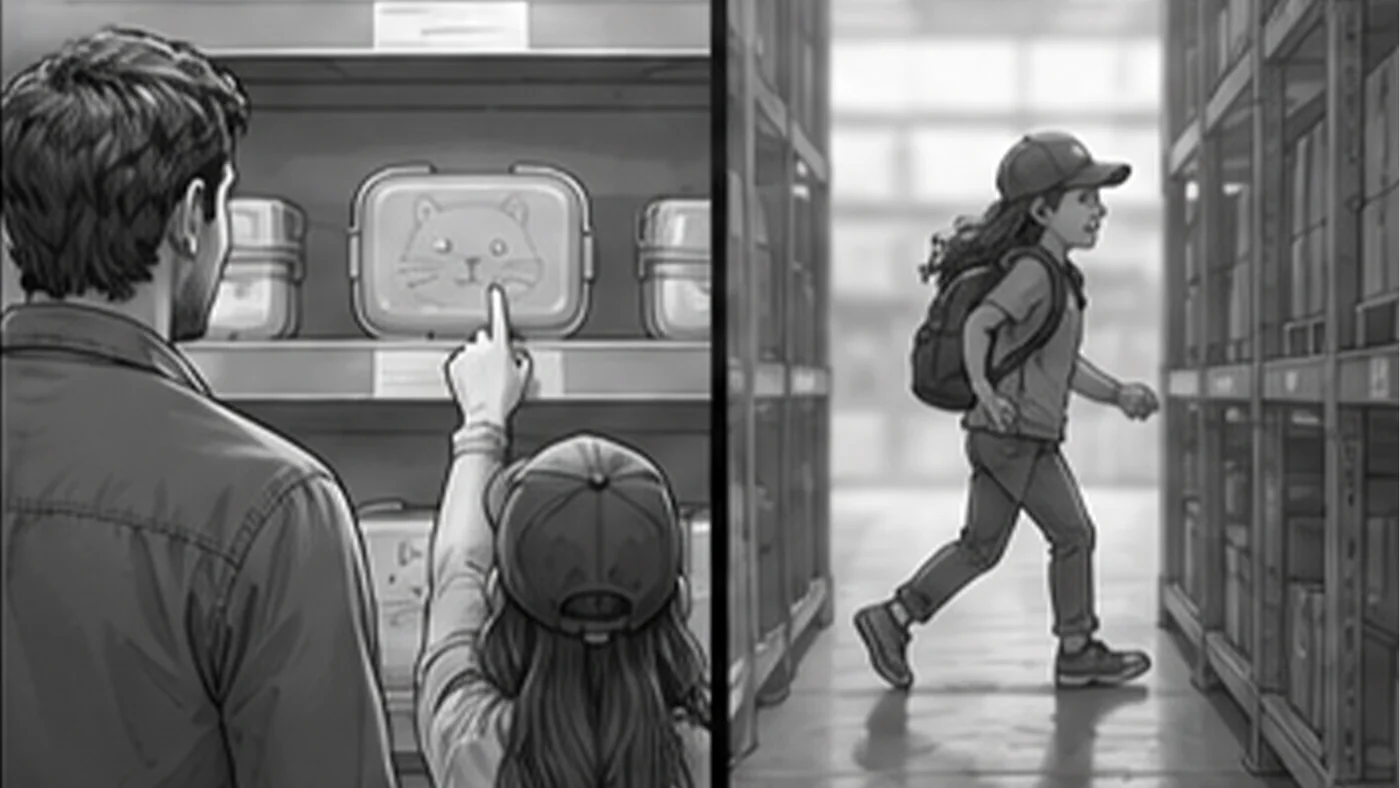
The daughter pulls her dad along, both running ahead of the camera, and he turns to the lens to deliver his line. Pace and distance are hard to describe in words, but the board showed the actors exactly what I had in mind. That is why we got the planned result on set much faster.
An unusual perspective, both teams moving and graphics landing on the warehouse floor. Explaining that on set would have taken longer than shooting it. The board settled it in seconds, because the whole crew was looking at the same frame.
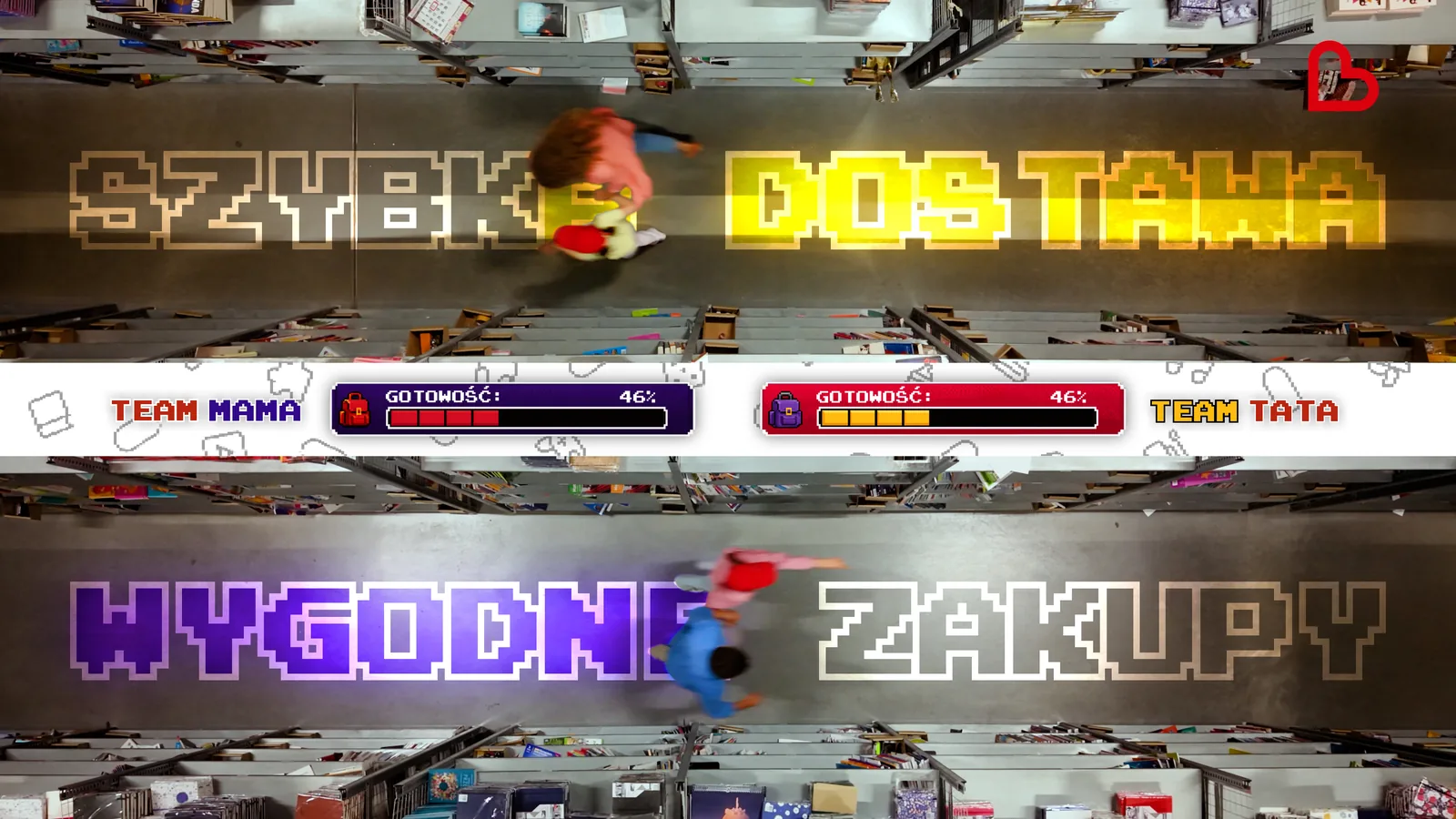
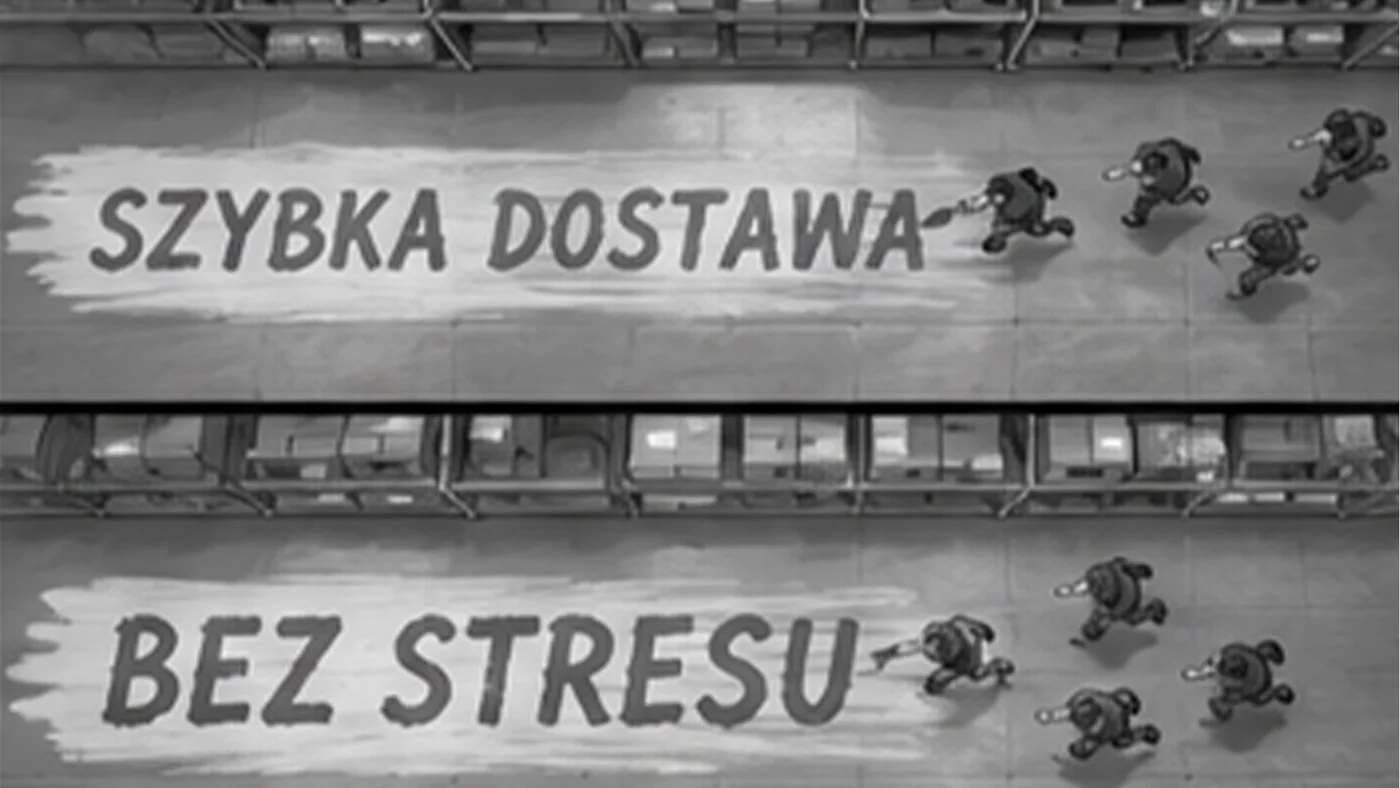
The entire concept rested on a split screen, except that holding it for the whole ad would wear the viewer out. Two things at once are hard to follow. So I chose frames where both halves can be taken in at a glance, and for the spoken lines and the key shots I go back to full screen so nothing pulls attention away.
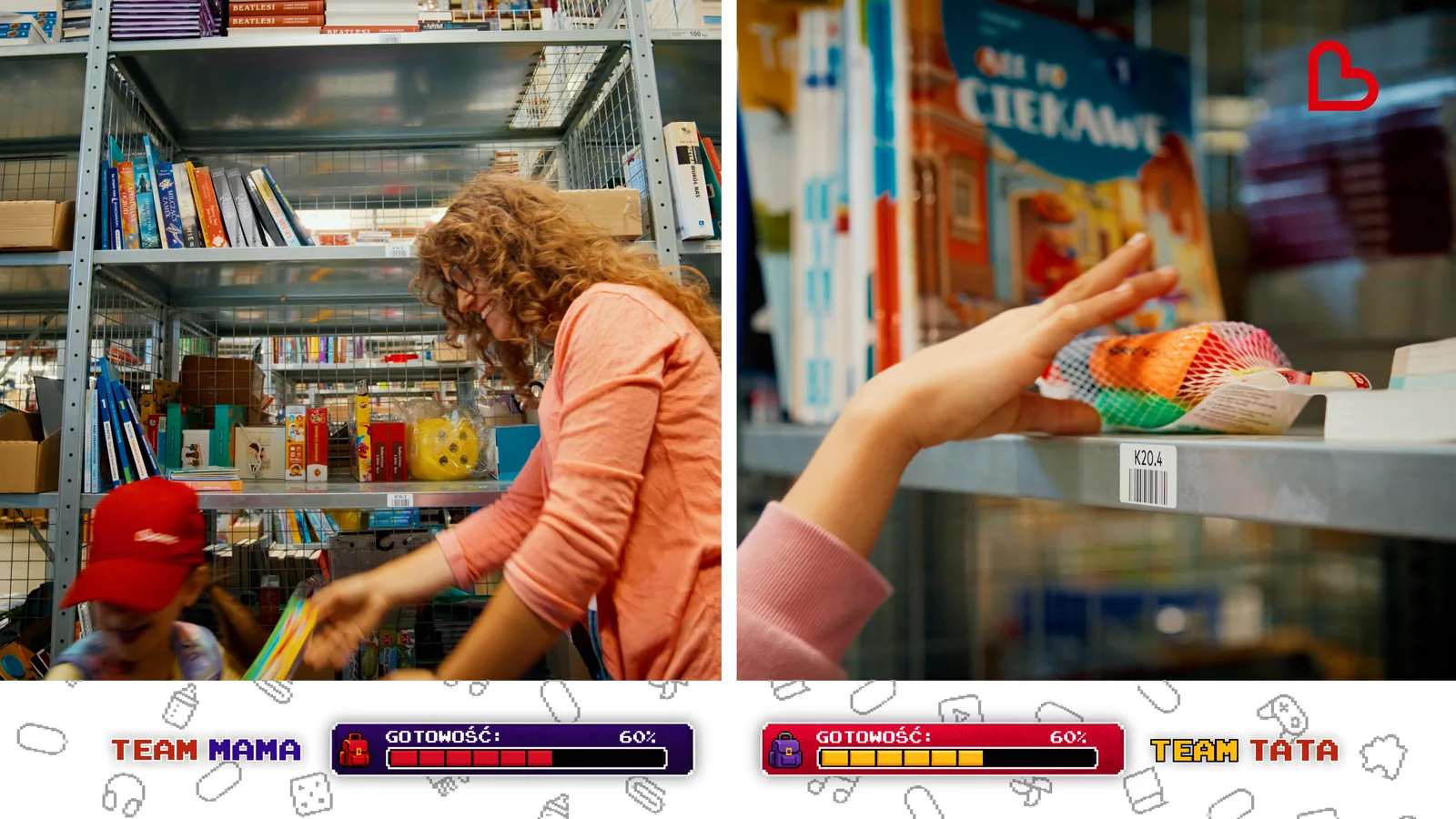
The longest shot in the film and the one with the most dialogue. All four had to hit their marks to the second: the entrance, the lines, the positions and the final pose.
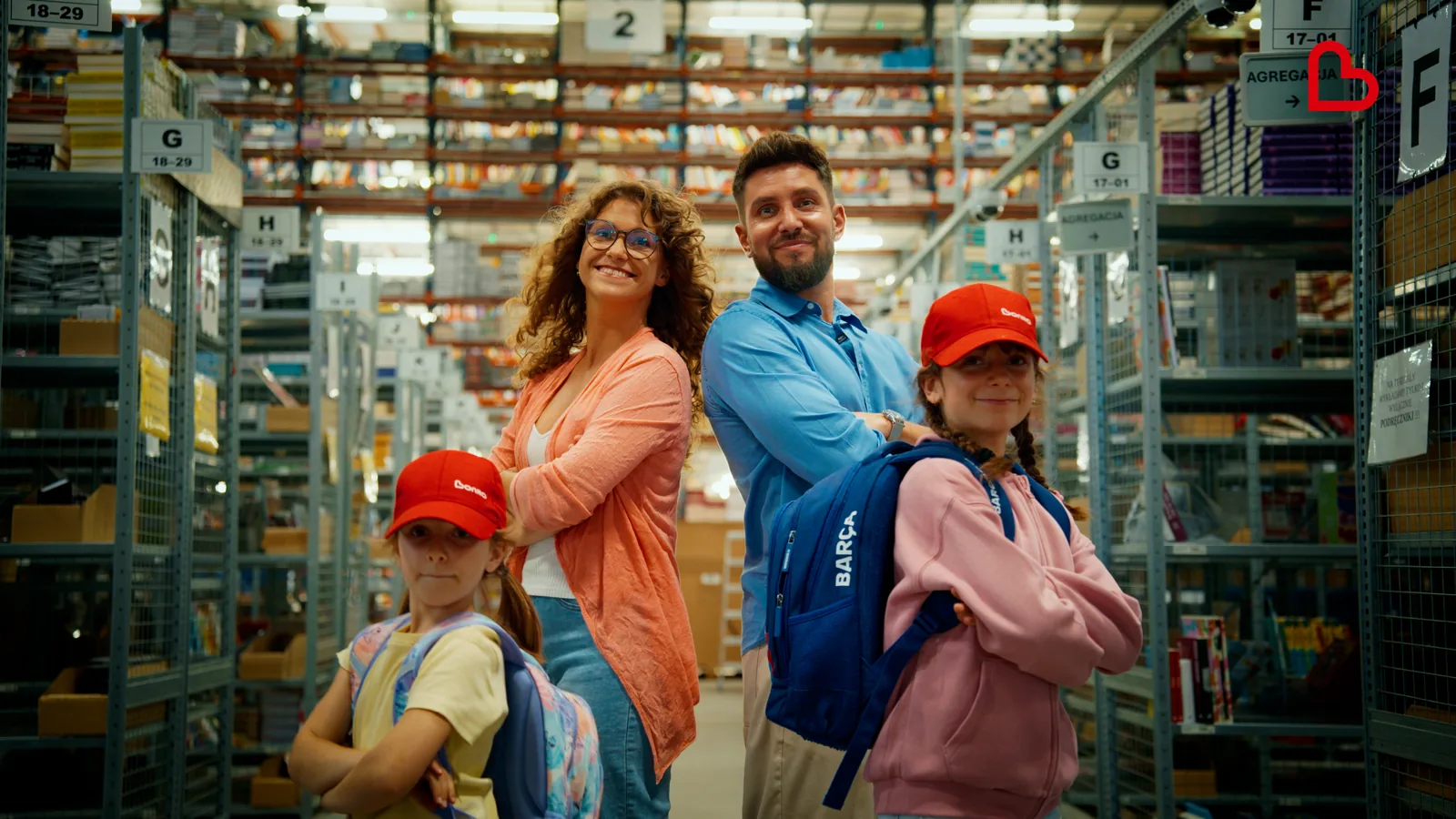
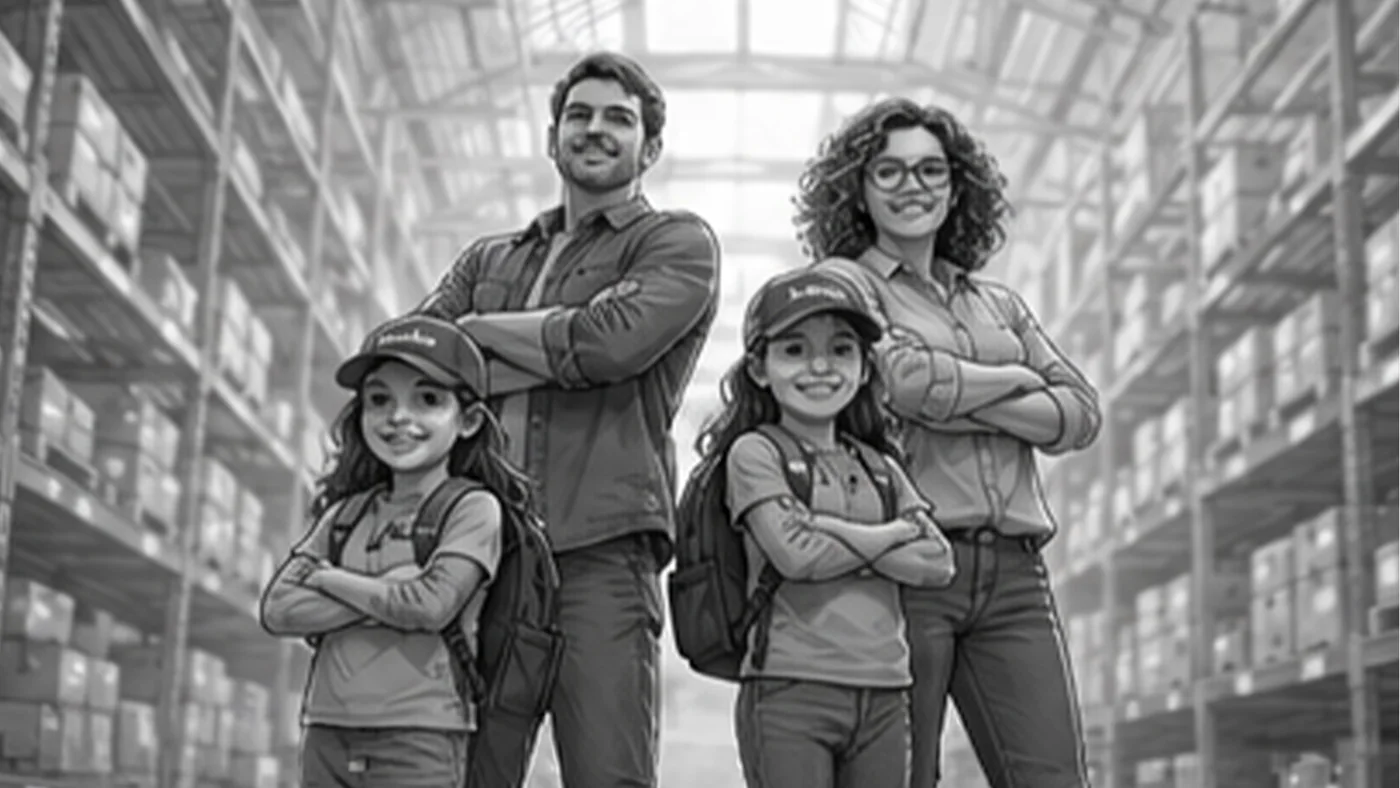
We shot the whole thing in a single six hour day. Four actors on set, two adults and two children.
Working with the young actors was one of the more interesting challenges. It called for a completely different way of directing: more rehearsals, more patience and a precise explanation of what each shot needed. That made it all the more satisfying when the planned choreography and the children behaving naturally finally came together.
Not every planned shot made it into the film. Shot number 5, the drone opening, was dropped. On the board, the warehouse seen from above was meant to look like a game start screen. On location it turned out that the space does not look good enough from that height, and with cables strung overhead there was no sense in risking a shot just because it was on the board.
So the drone went to a different use: static overhead shots of the teams making their way down the aisles.
The entire visual treatment was built inside the production. Alongside the camera work I handled the edit, motion graphics, sound and colour grading.
The game idea drove the graphics too: scores, a progress bar for the backpack, the split screen and animated callouts about the Bonito range.
So the graphics were not decoration laid over the film. They were part of how the story works.
The campaign was delivered in two versions, horizontal for YouTube and vertical for Instagram and Facebook.
Most shots could be reframed to vertical in the edit. For the ones I knew straight away would fall apart once cropped, we did a second take on set, framed vertically from the start.
That is why the vertical cut keeps its composition and its pace instead of being a crop out of the horizontal film.
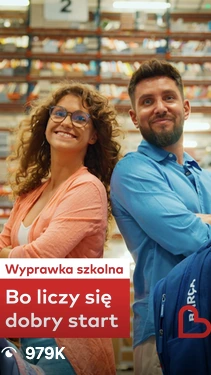
For me, though, the result that matters just as much is the one views cannot measure.
Bonito came back with more work. Alongside the ongoing social media production I run for the brand, this was already the third larger ad production.
The collaboration carried on into further projects after this campaign.
It depends on the number of shoot days, the cast, the location and how much post production is involved. After a fifteen minute call you get a firm figure and a schedule, free and with no obligation.
Either works. Here the idea and the brief came from the client and I turned them into a script and a storyboard. I can just as easily start from nothing more than the goal of the campaign.
Yes, but we agree it before the shoot, not after. Some shots then get a second take in the other framing, so the vertical version is not just a crop.
It depends on the project. Bonito knew well in advance that they wanted a back to school ad, so they got in touch early and we had time for the script, the storyboard and casting. If the deadline allows, we can start right away. The schedule is set with the quote, once you tell me when the material has to be ready.
Yes. Kraków and the surrounding region are everyday work, but for larger productions I travel across Poland.
Send me one sentence about what you want to achieve and when. I reply within 24 hours on working days, and the quote is free and non binding.
Book 15 minutes